
Canadian Wildfire Smoke Triggers Widespread Air Pollution and Economic Impacts Across U.S.
Wildfire smoke from Canada caused significant air pollution across the United States, leading to health issues like irritant bronchitis for individuals, even those aware of the risks. This event highlights the economic impacts, with studies showing reduced earnings and labor…
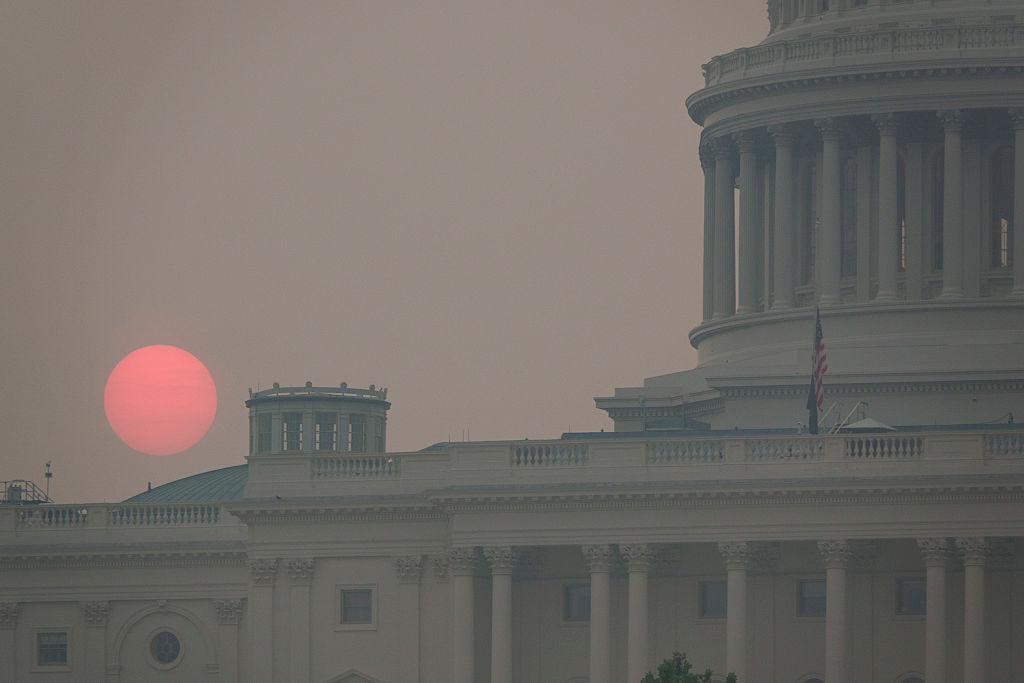
 Fort Myers Naples, FL, August 14, 2026 —
Widespread air pollution across the United States, stemming from wildfire smoke originating in Canada, has led to significant health concerns and notable economic consequences, according to recent analyses of the event.
The pervasive smoke resulted in elevated levels of particulate matter, contributing to health issues such as irritant bronchitis for many individuals, even those who were aware of the potential risks associated with poor air quality. The health impacts underscore the immediate and tangible effects of smoke events on public well-being.
Beyond the direct health implications, studies are beginning to reveal the economic fallout from such environmental events. Research indicates a reduction in earnings and labor income for those exposed to wildfire smoke. This suggests that air pollution events are not only a public health crisis but also a significant economic disruptor, affecting productivity and income generation.
The recent smoke episodes also serve to highlight complex psychological and behavioral responses to climate-related risks. Individuals often exhibit a tendency to underestimate the dangers posed by such environmental threats. Furthermore, people frequently weigh these risks against other concerns and tradeoffs in their daily lives, influencing their decisions and risk perception.
The event has drawn attention to the interconnectedness of environmental factors, public health, and economic stability. As climate-related events like wildfires become more frequent or intense, understanding their multifaceted impacts becomes increasingly crucial for individuals, communities, and policymakers alike.
Story summarized from the original created by Justin Worland on time.com, see more information here.
Media gallery
