Nationwide Animal Shelters Face Overwhelm Amid Geographic Mismatch; Relocation Programs Aid Adoptions
Many animal shelters nationwide are overwhelmed due to a geographic mismatch, where regions like the South have an an oversupply of adoptable animals and fewer adopters, leading to high euthanasia rates. Organizations like the ASPCA are addressing this by relocating…
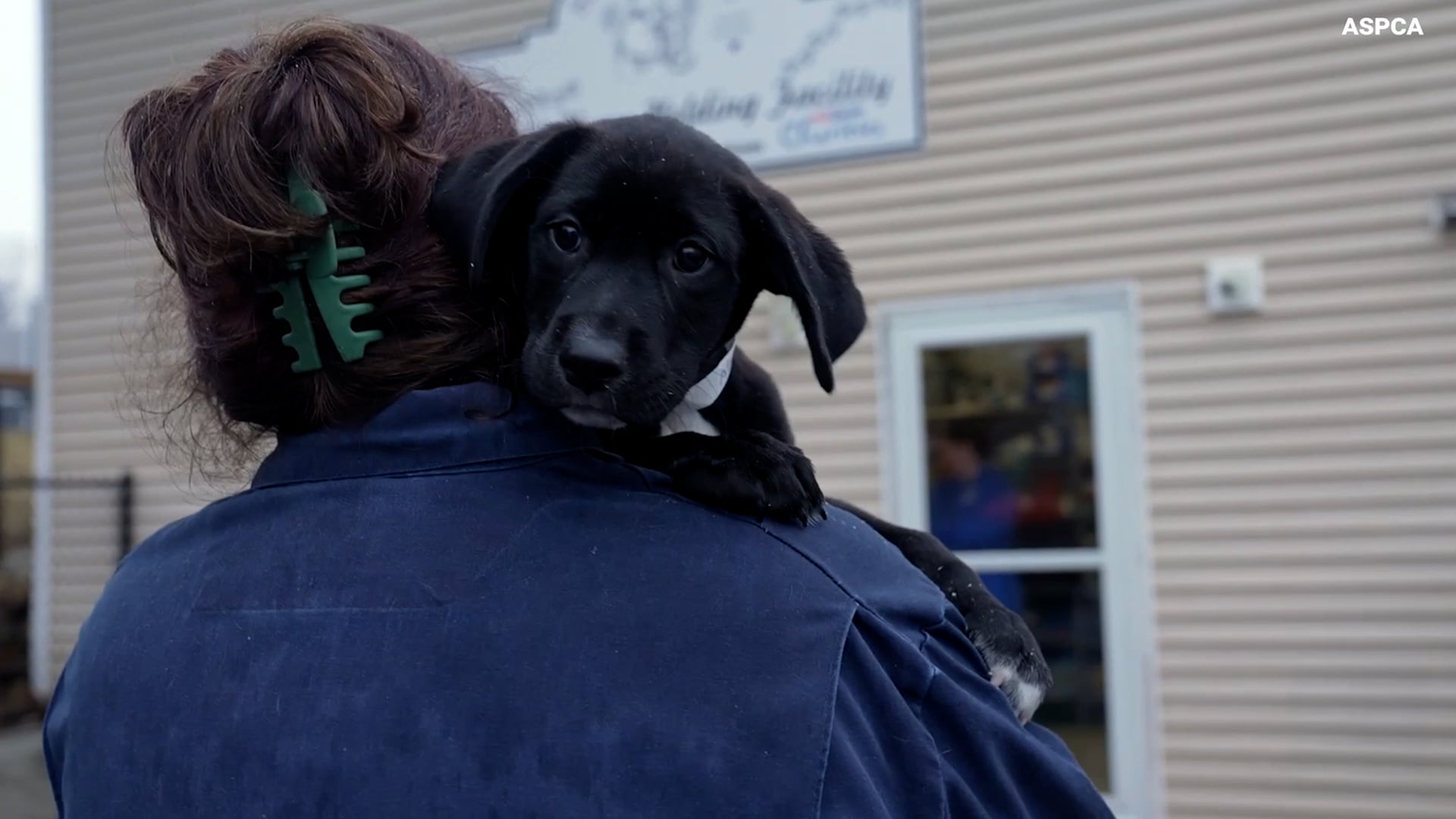
 Hartford & New Haven, CT, October 2, 2026 — Nationwide animal shelters are grappling with an overwhelming number of adoptable animals, a crisis largely attributed to a geographic mismatch between where animals are most abundant and where potential adopters are most numerous. Regions such as the Southern United States often experience an oversupply of animals needing homes, coupled with a lower demand from local adopters. This imbalance contributes to elevated euthanasia rates in some facilities.
In response to this critical issue, organizations like the American Society for the Prevention of Cruelty to Animals (ASPCA) are implementing extensive relocation programs. These initiatives involve transporting animals hundreds of miles, utilizing both land and air travel, from overcrowded areas to shelters located in regions with a higher concentration of prospective adopters. This strategy aims to increase the chances of adoption for these animals.
The ASPCA’s relocation efforts have reportedly saved over 300,000 animals to date. However, the operation of such programs is not without its complexities. The process requires meticulous planning and execution, involving significant logistical challenges to ensure the well-being of the animals during transit. Adherence to stringent health and safety standards is paramount throughout the relocation journey to protect the animals and prevent the spread of disease.
The specific details regarding the exact number of shelters involved in these relocation efforts, the primary origins and destinations of the animals, or the specific airlines and transport companies utilized were not provided in the summary. Furthermore, the summary did not specify the timeline for these programs or the exact number of animals currently awaiting relocation.
Story summarized from the original created by Kristin Crowley, Shannon Weston on www.wfsb.com, see more information here.
Media gallery