Department of Transportation Worker Fatally Struck on I-95 Amidst Impaired Driving Law Concerns
A Department of Transportation worker, Elvin Hernandez, was killed on I-95 in Fairfield, Connecticut, after being struck by a vehicle driven by Edward Myers, who was allegedly impaired. The incident has highlighted loopholes in Connecticut's impaired driving laws, as Myers…
 Hartford & New Haven, CT, October 2, 2026 —
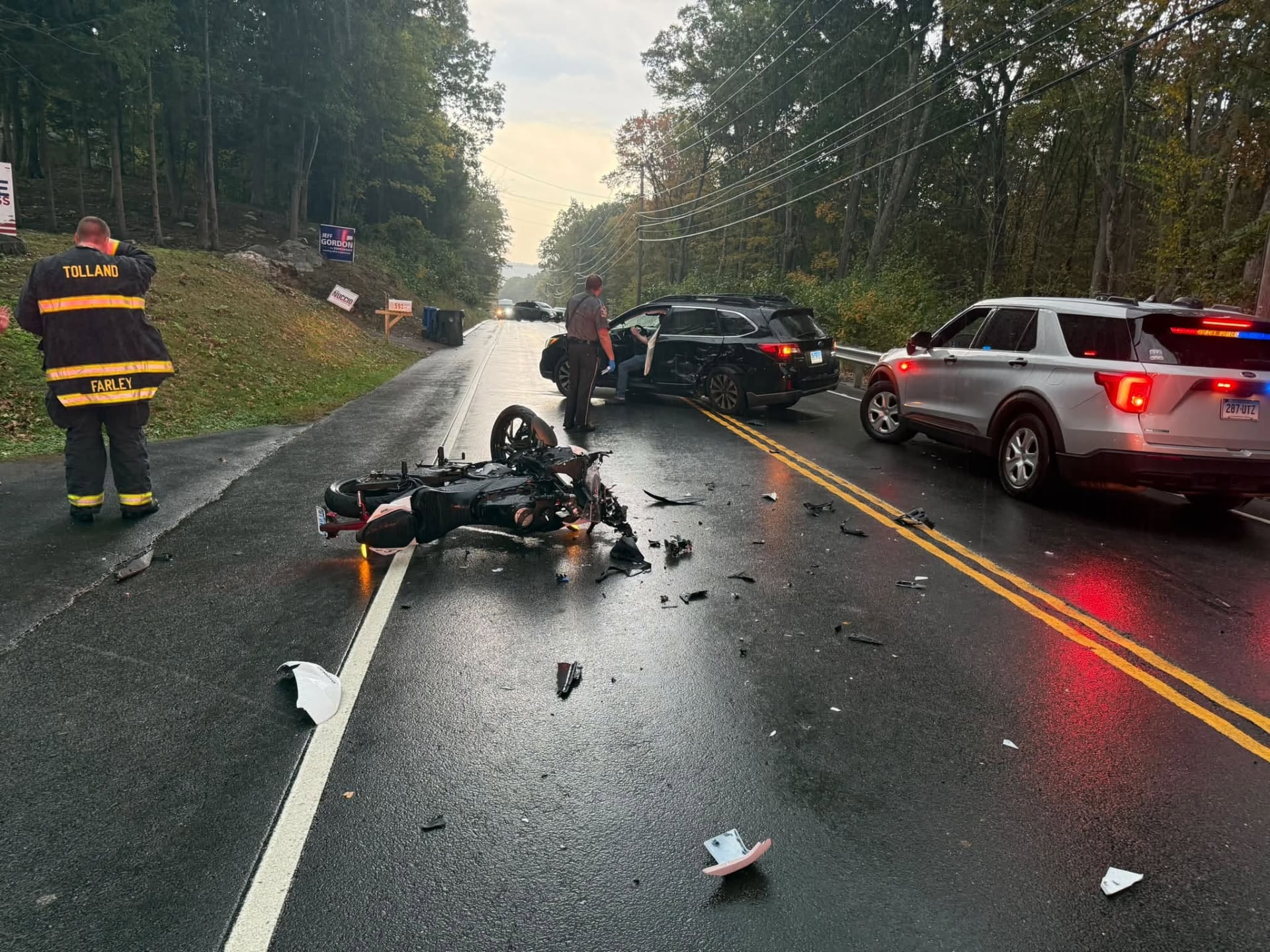
A Department of Transportation worker was fatally struck by a vehicle on Interstate 95 in Fairfield, Connecticut, an incident that has drawn attention to potential gaps in the state’s impaired driving regulations. The deceased has been identified as Elvin Hernandez, an employee of the Department of Transportation.
The incident occurred on I-95 in Fairfield. Hernandez was struck by a vehicle allegedly driven by Edward Myers. Authorities have stated that Myers was reportedly impaired at the time of the incident.
Following the incident, questions have arisen regarding Connecticut’s laws concerning drivers convicted of impaired driving offenses who are mandated to use ignition interlock devices. Records indicate that Edward Myers had a prior conviction that required him to have such a device installed in his vehicle. However, at the time of the collision, Myers was reportedly operating a different vehicle that did not have an ignition interlock device. This detail has underscored concerns about the effectiveness of current regulations in preventing repeat offenses and ensuring compliance across all vehicles operated by individuals with prior impaired driving convictions.
The specific circumstances leading to the collision and the exact timeline of events are under investigation. The amount of any potential fines or penalties related to the incident has not been provided. The contractor’s name, if applicable to this situation beyond the driver, was not provided. The permit status for the area of the incident was not provided. The outcome of any inspections related to the incident was not provided. Code violations, if any, have not been detailed. The full extent of the loophole and how it is being addressed by state lawmakers is still developing.
Story summarized from the original created by Sam Smink on www.wfsb.com, see more information here.
Media gallery