Jurors Break Silence on Lindsay Clancy Trial, Citing Holdout Juror on Insanity Defense
Jurors from the Lindsay Clancy murder trial in Massachusetts have broken their silence, detailing how a single juror blocked an acquittal by reason of insanity despite acknowledging reasonable doubt during deliberations. Three jurors spoke exclusively to NBC10 Boston, describing the…
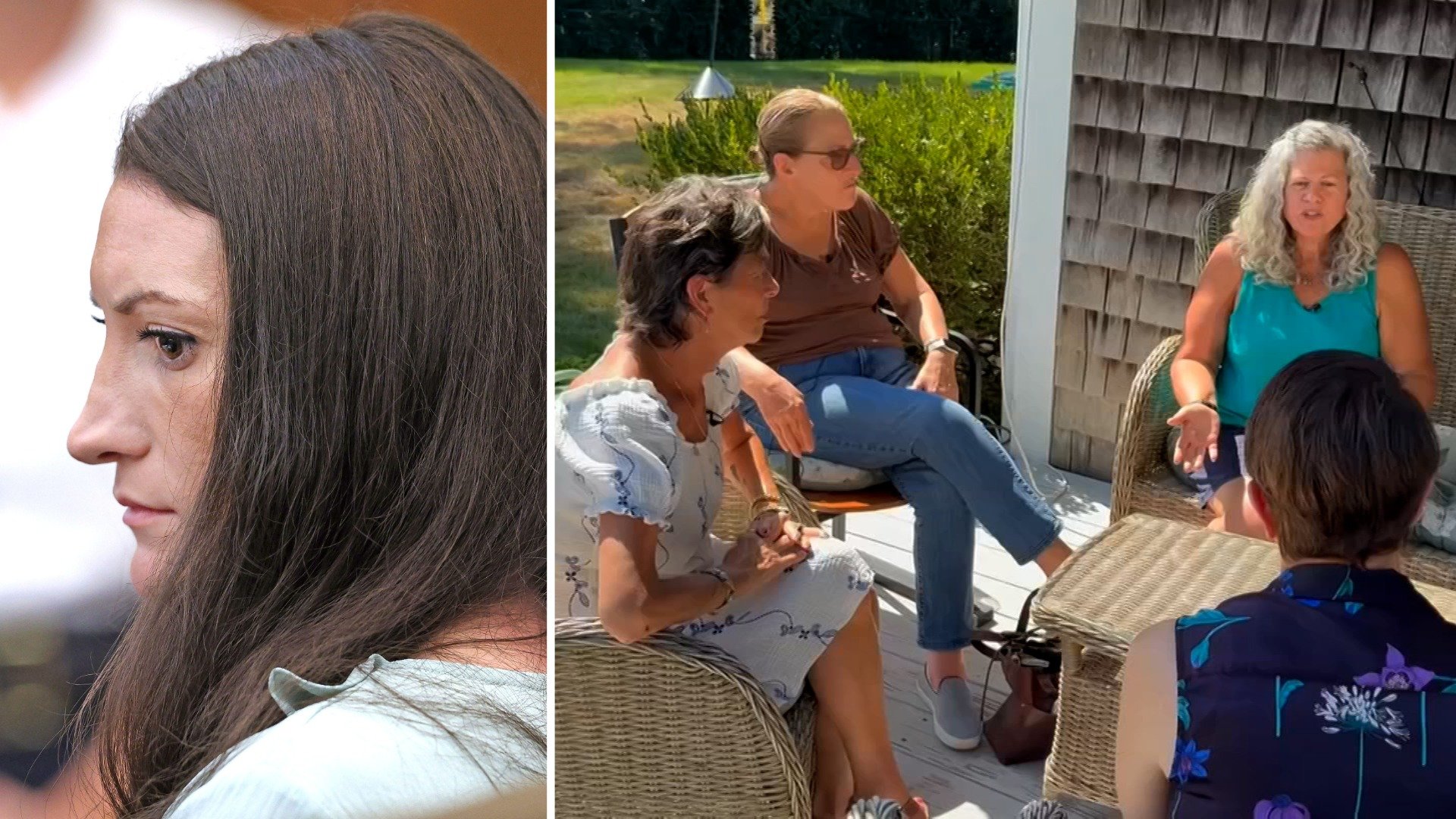
 Hartford & New Haven, CT, September 9, 2026 — In the aftermath of the Lindsay Clancy murder trial in Massachusetts, several jurors have come forward to share their experiences, detailing a contentious deliberation process. Three jurors spoke exclusively to NBC10 Boston, revealing that a single juror ultimately prevented an acquittal based on reason of insanity. This holdout juror, according to the accounts, had acknowledged the presence of reasonable doubt during the deliberations.
The trial’s deliberation phase reportedly spanned seven days, a process marked by significant complexity and disagreement among the jury. The jurors who spoke with NBC10 Boston described a sense of frustration stemming from the impasse created by the lone dissenting juror. They indicated a prevailing belief among the majority that Clancy had experienced a mental health crisis, described as having ‘snapped’ due to mental illness, which they felt should have supported an insanity defense.
The specific details of the alleged crime and the individuals affected by it were not elaborated upon in the jurors’ statements to NBC10 Boston. Similarly, the exact timeline of the trial proceedings, including the dates of the deliberations, was not provided. The outcome of the trial, beyond the blockage of the insanity defense by one juror, was not detailed in the statements from these jurors. The identity of the holdout juror, as well as their specific reasoning beyond acknowledging doubt, was not disclosed. The legal proceedings that followed this deliberation deadlock were also not part of the information shared by the jurors. The jurors’ statements offer a rare glimpse into the internal dynamics of a jury reaching a critical decision point, particularly concerning a defense rooted in mental health.
Story summarized from the original created by Marc Fortier on www.nbcconnecticut.com, see more information here.
Media gallery