New England Governors Consider Nuclear Power Push Amidst Energy Demands, Critics Raise Concerns
Connecticut's governor is participating in a summit with other New England governors to advocate for increased nuclear power, particularly Small Modular Reactors (SMRs), to meet projected electricity demands, such as for AI data centers. The article critically examines this push,…
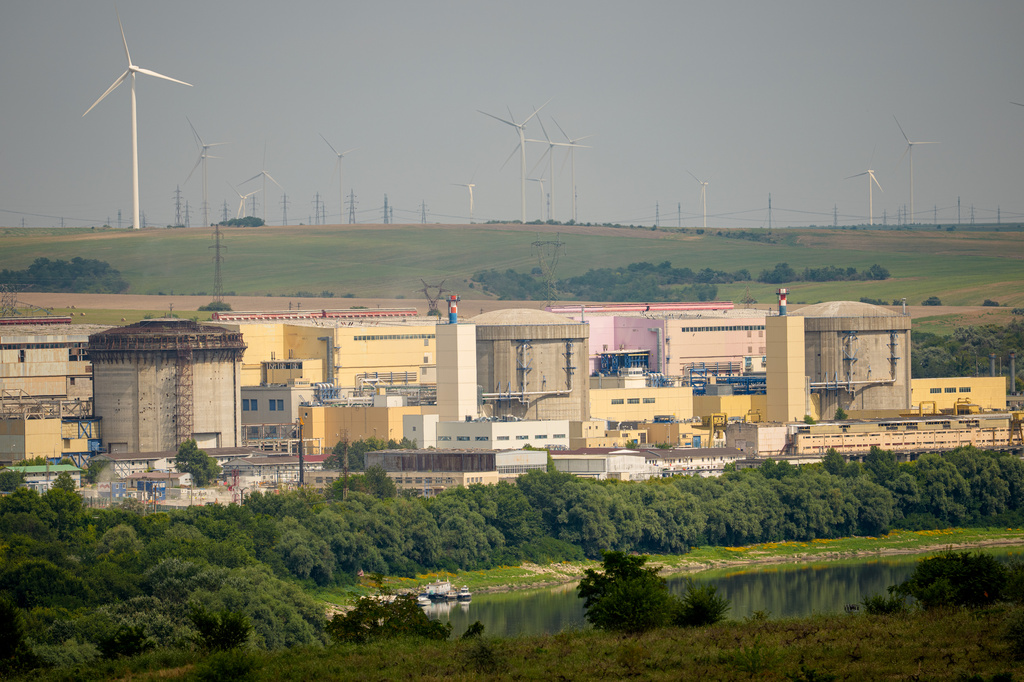
 Hartford & New Haven, CT, September 30, 2026 —
Leaders from New England states are convening to discuss the region’s future energy needs, with a notable focus on increasing nuclear power capacity, specifically through the adoption of Small Modular Reactors (SMRs). Connecticut’s governor is participating in this summit, advocating for the expanded use of nuclear energy to meet anticipated surges in electricity demand. Proponents suggest these reactors could be crucial for powering growing sectors, such as artificial intelligence data centers.
However, the push for SMRs is met with significant critical examination and concerns from various perspectives. A primary objection centers on the developmental stage of SMR technology. Critics point out that these reactors are largely unproven in commercial application, raising questions about their reliability and performance in real-world conditions. The projected high costs associated with developing and implementing SMRs also present a substantial hurdle, alongside the notoriously long timelines often involved in nuclear power plant construction and deployment.
Furthermore, the fundamental challenge of managing and disposing of radioactive waste remains a persistent issue for nuclear power. The long-term storage of this hazardous material continues to be a complex and unresolved problem. In addition to waste concerns, the infrastructure for nuclear power facilities, including SMRs, faces scrutiny regarding its vulnerability to extreme weather events, which are increasing in frequency and intensity. Security threats also pose a potential risk to nuclear installations.
In light of these challenges and risks, renewable energy sources are frequently proposed as a more viable and preferable alternative for meeting future electricity demands. Advocates for renewables highlight their established track record, decreasing costs, and lower environmental impact compared to nuclear fission technologies. The ongoing debate aims to balance the urgent need for increased energy supply with considerations for cost-effectiveness, technological maturity, environmental stewardship, and public safety.
Story summarized from the original created by Stanley Heller on ctmirror.org, see more information here.
Media gallery